How Focus Features Attempted a Last-Minute Pivot to Market The Uprising as a Robin Hood Origin Story
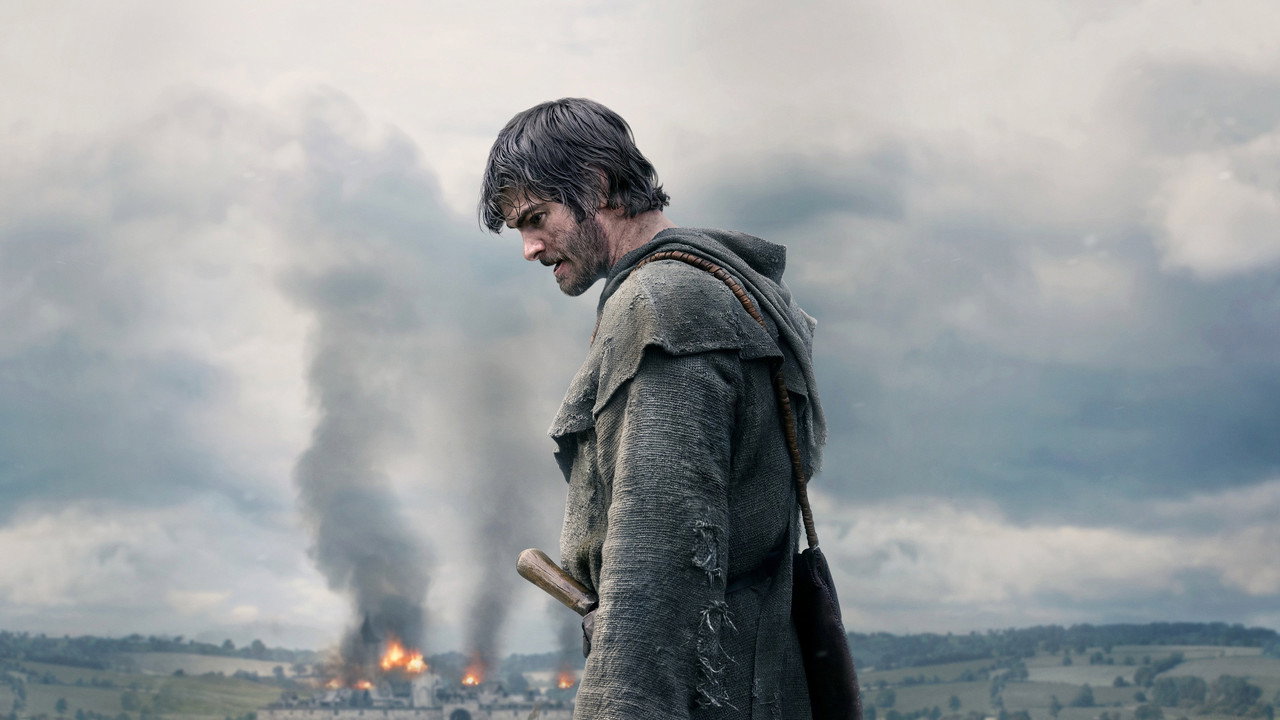
When studio executives realize a film is heading toward a box office cold front, the response is rarely silence. Instead, you get the cinematic equivalent of a high-stakes pivot a desperate, last-minute rebranding attempt designed to convince the public that the movie hitting theaters isn't what they thought it was, but something far more marketable. That exact chaos played out behind the scenes of Focus Features' release of The Uprising. What started as a bleak, brutally realistic historical drama about the 1381 Peasants' Revolt was suddenly slapped with a brand-new identity just weeks before its debut: a stealth origin story for Western folklore’s most famous outlaw, Robin Hood. The entire ordeal was as fascinating as it was chaotic. Directed by Paul Greengrass, The Uprising was always sold on paper as an uncompromising, visceral dive into medieval class warfare. Andrew Garfield stepped into the mud-caked boots of a man known simply as Ploughman, leading a desperate rebellion of overworked, overtaxed peasants marching straight toward King Richard II and the gates of London. It was built on shaky-cam realism, grime, and heavy political allegory. But as the September release date drew near, internal tracking numbers likely triggered alarm bells. A dark, 127-minute historical epic about 14th-century tax revolts is a notoriously tough sell for modern multiplex audiences. Enter the marketing panic room. Merely three weeks before the film was scheduled to hit theaters, Focus Features made a startling move online. They dropped fresh promo clips and social media assets with an entirely new title appended to the project: The Uprising: The Rise of Robin Hood. Promotional copy shifted dramatically, re-framing Garfield's humble agrarian hero not as an emblem of historical peasant rage, but as the proto-outlaw who would go on to steal from the rich and give to the poor. One ad featured Garfield clad in a tattered green hood, raising his sword to declare, "To the rich, he was an outlaw. To the people, he was a hero." The immediate reaction from film fans, critics, and historians was a mixture of absolute confusion and ruthless mockery. Film historians were quick to point out the absurd timeline error, noting that the historic Peasants' Revolt took place nearly two centuries after the legendary folklore of Robin Hood was traditionally set. Meanwhile, moviegoers immediately smelled the blood in the water, recognizing the title tweak as a desperate corporate hail-mary to manufacture IP appeal out of a prestige drama. The backlash was so instant and severe that Focus Features engaged in immediate damage control. Within forty-eight hours of releasing the "Rise of Robin Hood" promo material, the subtitle was quietly wiped from social channels and official press releases, reverting the movie back to simply The Uprising. Yet the studio couldn't completely scrub the narrative twist from the actual film print, where a late-stage narrative turn still attempts to link Garfield’s character to the Robin Hood mythos. Critics ultimately panned this sudden narrative left-turn, arguing that jamming an iconic folk superhero into a grounded, dirt-covered historical tragedy diluted the film's core impact and made the whole experience feel jarringly disjointed. In the end, the last-minute pivot did nothing to save the film’s theatrical fortunes. Confused marketing, mixed reviews, and audience indifference left The Uprising stranded at the box office, generating under $8 million domestically before being rushed onto digital VOD platforms just 18 days after opening. It serves as a textbook cautionary tale for modern Hollywood: when a studio tries to hide what a movie truly is behind a forced franchise wrapper, audiences usually see right through the mask.
In-Depth Background & Story
Directed by Paul Greengrass and written alongside Peter Morgan, the British historical action drama feature The Uprising made its wide theatrical debut on September 11, 2026, distributed by Focus Features and Universal Pictures. Produced by Working Title Films and Perfect World Pictures, the 134-minute epic chronicles the tumultuous events of the Peasants' Revolt of 1381, starring Andrew Garfield alongside Barry Keoghan, Johnny Flynn, and Helena Bonham Carter. The film debuted to strong critical praise and global box office success, lauded for its visceral handheld combat sequences, immersive period detail, gripping historical tension, and powerful lead performances by Andrew Garfield and Barry Keoghan depicting a pivotal working-class rebellion in medieval Europe. WHERE TO WATCH & STREAMING AVAILABILITY The Uprising is available across major theatrical cinema chains globally, including AMC Theatres, Regal Cinemas, Cinemark, and IMAX screens. Following its exclusive theatrical run, the feature will stream on Peacock in the United States, alongside digital transactional video-on-demand releases across platforms like Apple TV, Amazon Prime Video, Google TV, and Fandango at Home. Physical home media collector editions, including 4K Ultra HD and Blu-ray sets with behind-the-scenes historical featurettes, are managed by Universal Pictures Home Entertainment. INTRIGUING FACTS & TRIVIA The project reunites acclaimed director Paul Greengrass with screenwriter Peter Morgan, who previously collaborated on intense, grounded historical and political character studies. Lead star Andrew Garfield underwent intensive hand-to-hand combat and agricultural tool training to portray medieval rebel leader Wat Tyler, executing his own practical stunts during chaotic battle set pieces. To ensure historical accuracy, the production constructed full-scale 14th-century London bridge barricades and rural village sets on location across Yorkshire and Kent, avoiding extensive green screen environments. BACKSTORY & THEMATIC ANALYSIS Set in 1381 during the aftermath of the Black Death and the grueling Hundred Years' War, the narrative follows Wat Tyler (Andrew Garfield), a weary village blacksmith in Essex. Faced with brutal poll tax collections and oppressive feudal labor laws imposed by the young King Richard II's regent council, Tyler unites desperate laborers, farmers, and tradesmen to resist royal bailiffs. Joining forces with radical preacher John Ball (Barry Keoghan), who inspires the masses with speeches advocating for human equality, Tyler leads tens of thousands of armed peasants on an unprecedented march toward London. As the rebellion breaches the gates of the capital, storming the Tower of London and demanding the abolition of serfdom, the young King Richard II and his ruthless advisors scheme to neutralize the peasant army through deception, leading to a tragic, bloody climax at Smithfield. Thematically, The Uprising explores class struggle, systemic exploitation, the pursuit of human dignity, and the fragile nature of political promises. By placing working-class voices at the center of a medieval historical epic, the story demonstrates that the fight for basic civil rights and economic justice is a timeless human struggle. BEHIND-THE-SCENES INSIGHTS Director Paul Greengrass brought his signature docudrama kinetic camera style to medieval warfare, working with cinematographer Barry Ackroyd to place audiences directly in the center of muddy, chaotic crowd confrontations. Composer Daniel Pemberton crafted a visceral musical score combining period-authentic folk instrumentation, heavy acoustic percussion, and choral chants to heighten the revolutionary momentum of the march. Through its grand scale, raw emotional power, and uncompromising historical lens, The Uprising stands as a masterclass in modern historical cinema.

Featured: The Uprising
As war and plague devastate 14th-century England, a humble peasant ignites a rebellion, uniting an army of commoners to defy the King’s might in a desperate fight for justice and survival.