Avengers: Doomsday and the Death of Consensus: Why the Latest MCU Epic Has Become Cinema’s Most Polarizing Battleground
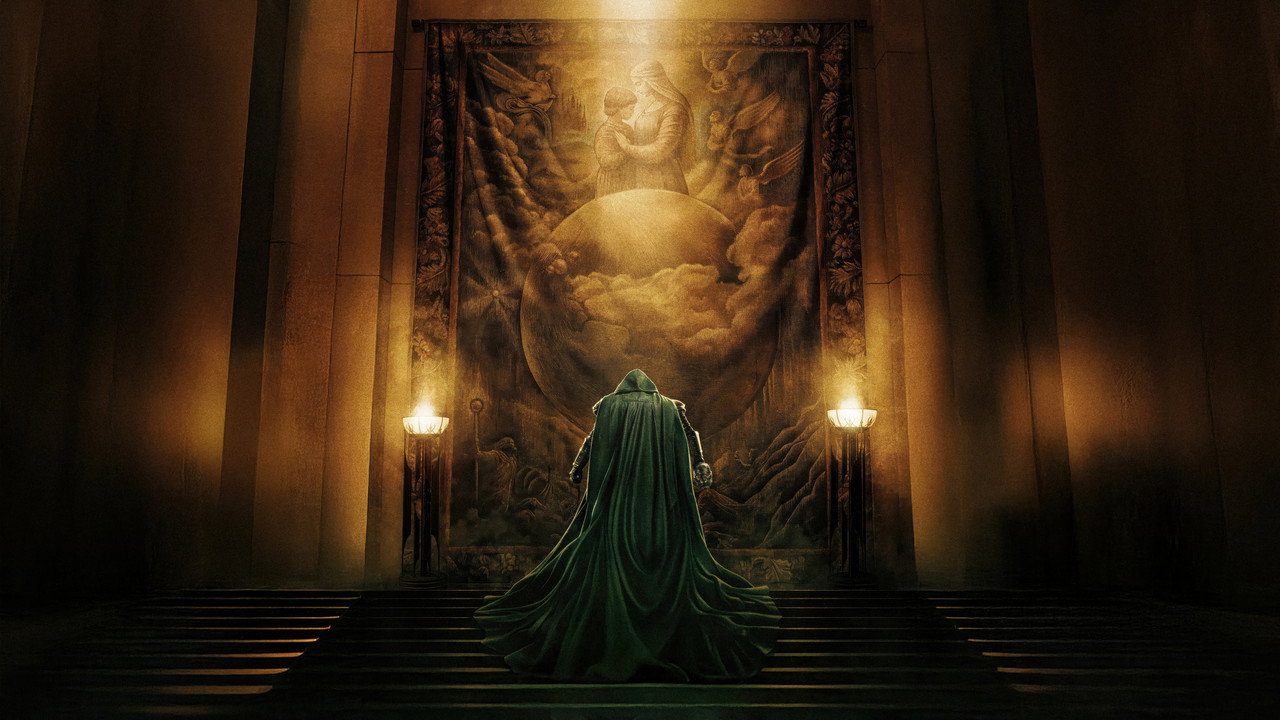
When the curtains finally pulled back on Avengers: Doomsday, it became immediately clear that Marvel Studios was not merely attempting a return to form, but rather engineering a total combustion of the current cinematic landscape. By forcing the collision of three distinct universes, the film serves as a high-stakes experiment that has shattered the traditional critical consensus. Where once Marvel films were met with a predictable baseline of critical acclaim and audience adoration, Doomsday has ignited a fierce, intellectual, and often vitriolic debate regarding the sustainability of the multiverse narrative. Critics argue that the film is a masterclass in chaotic ambition, while a vocal segment of the fanbase views it as a bloated monument to narrative fatigue, setting the stage for one of the most contentious cultural discussions in modern blockbuster history. The core of this polarization lies in the film’s handling of existential stakes. By introducing a threat that effectively renders the history of three separate iterations of these heroes fragile and potentially disposable, the screenplay invites a philosophical crisis that many viewers simply were not prepared for. Critics have lauded this as a bold, nihilistic departure that mirrors our own modern anxieties about instability and erasure. Conversely, casual audiences have expressed a profound sense of whiplash, noting that the emotional weight of the heroes' past journeys is undermined by the rapid-fire, multiversal restructuring that defines the second act. This fundamental disagreement—whether the film is a brave deconstruction of heroism or a cynical sacrifice of character growth for spectacle—has become the definitive critique of the project. Narrative controversy is perhaps most evident in the film’s third act, which features a series of creative choices that have been described by some as 'narrative sacrilege.' Without spoiling the specific mechanics of the convergence, the decision to force disparate universes into a singular, crumbling reality creates a sense of insurmountable cognitive dissonance. For the purists, this is a betrayal of the individual mythologies built over decades of cinema. For the advocates, this is the logical conclusion of an infinite multiverse, a necessary 'Doomsday' for the genre that forces the audience to stop clinging to the safety of nostalgia and embrace a harsher, less certain future. This tension has turned social media platforms into digital battlefields, where every frame is analyzed for hidden meaning or perceived studio desperation. Furthermore, the long-term cultural impact of Avengers: Doomsday cannot be overstated, as it represents a pivot point for the entire industry. If this film succeeds in its polarizing gamble, we are looking at an era where continuity is fluid and the concept of a 'permanent' hero is effectively dead. It suggests that the future of the blockbuster is not found in the stability of a shared universe, but in the constant, agonizing churn of the multiverse. This shift fundamentally alters the relationship between the audience and the content; we are no longer watching heroes grow, but rather witnessing them being disassembled and reconfigured. It is a cynical, yet undeniably fascinating, evolution that risks alienating the very people who built the MCU into a global juggernaut. The film’s aesthetic and pacing have also come under fire, with the visual language reflecting the internal chaos of the production. The jarring shifts between the distinct color palettes and directorial styles of the three represented universes create a viewing experience that feels less like a cohesive movie and more like a fever dream of intellectual property management. Critics have pointed to this as proof that the film is overstuffed, a victim of its own high-concept premise. Yet, defenders argue that this visual jarring is the entire point: to convey the terror of reality itself failing. This divide underscores a broader cultural question about whether cinema is meant to provide a comforting, consistent experience or a challenging, abrasive one that reflects our fragmented reality. Ultimately, Avengers: Doomsday stands as a testament to the fact that the golden age of the 'safe' superhero blockbuster is definitively over. Whether it is remembered as the film that finally exhausted the audience or the one that saved the genre by burning it to the ground, its legacy is already cemented as a polarizing masterpiece. It challenges the viewer to engage with the concept of loss in a way that no other film in this franchise has dared to do, forcing us to ask if we actually care about the characters, or just the continuity they represent. As we look toward the future, it is clear that the debates sparked by this film will serve as the primary framework for analyzing the next decade of big-budget filmmaking, ensuring that Doomsday will remain a lightning rod for years to come.
In-Depth Background & Story
Directed by Anthony and Joe Russo, Avengers: Doomsday is scheduled for a worldwide theatrical premiere on December 18, 2026. Distributed by Walt Disney Studios Motion Pictures, the film serves as a flagship event for Phase Six of the Marvel Cinematic Universe. Designed for premium large-format screens, it opens across IMAX, Dolby Cinema, and RealD 3D formats globally.
Because the film is bound for a December 2026 theatrical window, traditional box office returns, opening weekend totals, and home media sales metrics will materialize following its release. The project is anticipated to be a major box office contributor for Disney, anchoring the global holiday moviegoing season alongside concurrent blockbuster releases.
WHERE TO WATCH & STREAMING AVAILABILITY
Avengers: Doomsday will launch exclusively in theaters for a standard theatrical window. Following its exclusive big-screen run, the movie will become available on digital video-on-demand storefronts including Amazon Prime Video, Apple TV, and Fandango at Home for digital purchase and rental.
Subsequent streaming rights belong exclusively to Disney+. Subscribers will be able to stream the film in 4K Ultra HD resolution complete with IMAX Enhanced visual formatting, Dolby Vision, and spatial audio options. Physical home media releases on 4K UHD, Blu-ray, and DVD are set to follow the digital window.
INTRIGUING FACTS & TRIVIA
The project marks the grand return of Robert Downey Jr. to the Marvel Cinematic Universe. Instead of reprising Tony Stark, Downey Jr. stars as Victor von Doom / Doctor Doom. His casting was unveiled to the public in July 2024 at San Diego Comic-Con, where he appeared on stage alongside the Russo brothers wearing a iconic green robe and Doctor Doom mask.
The film underwent a complete creative overhaul in late 2023 and 2024. Originally titled Avengers: The Kang Dynasty, Marvel Studios pivoted away from the Kang storyline and enlisted directors Anthony and Joe Russo alongside screenwriter Stephen McFeely, reunited for the first time since directing Avengers: Infinity War and Avengers: Endgame.
The ensemble cast brings together actors across multiple Marvel realities. Confirmed roster additions feature Pedro Pascal as Mister Fantastic, Vanessa Kirby as Invisible Woman, Joseph Quinn as Human Torch, and Ebon Moss-Bachrach as The Thing, integrating Earth-828's Fantastic Four directly alongside Earth-616 heroes like Sam Wilson's Captain America, Thor, and Thunderbolts members.
BACKSTORY & THEMATIC ANALYSIS
Set amidst escalating multiversal instability, Avengers: Doomsday follows a coalition of heroes spanning multiple universes—including the main Earth-616 Avengers, the Wakandans, the Fantastic Four, and veteran X-Men forces—who must unite to confront the existential threat posed by Doctor Doom. Operating from a vantage point of formidable cosmic and technical intellect, Doom seeks to consolidate power across reality, threatening total dimensional collapse.
As different factions attempt to protect their respective homes, the narrative explores the immense friction between disparate groups of heroes trying to coordinate across realities. Driven by Doom's unwavering conviction and tactical supremacy, the heroes are pushed to their absolute limits in a conflict where survival requires unthinkable compromises.
Thematically, Avengers: Doomsday examines power, hubris, and the consequences of multiversal manipulation. It contrasts the noble burden of heroism against Victor von Doom's ruthless, dictatorial idealism—where absolute control is viewed as the only path to universal order. Through this clash, the story explores sacrifice, legacy, and the tragic irony of familiar faces appearing in dark new forms across the infinite cosmos.
BEHIND-THE-SCENES INSIGHTS
Principal photography took place at Pinewood Studios in the United Kingdom and location sets across Europe, running from early to late 2025. To capture the sprawling scale of multiversal battlefields, the visual effects team combined massive physical sets with industrial LED volumes, practical stunt rigs, and advanced CGI environments.
Longtime collaborator Alan Silvestri returns to compose the score, blending classic Avengers themes with dark, choral, and industrial motifs crafted specifically for Doctor Doom's screen presence. Combined with high-contrast visual framing and expansive set-pieces, Avengers: Doomsday sets the stage for the narrative climax of the Multiverse Saga.

Featured: Avengers: Doomsday
Beloved heroes from three distinct universes are set on a deadly collision course and face an existential threat unlike anything they've ever encountered.